Sunday, October 7, 2012

Alice in Wonderland as a classic dungeon adventure

I was watching Alice in Wonderland the other day and I realized partway through it that it's really a classic dungeon delve with some cool and interesting twists. Wikipedia calls it a prime example of the "literary nonsense" genre. The only connecting thread between all the various chapters is simply Alice, who is exploring Wonderland. That's not unlike many adventures and campaigns that try to have a unifying theme but end up being disjointed.


Consider:

--down the rabbit hole is just a euphemism for entering the dungeon via whatever dungeon entrance there might be (or in some cases going to a different reality, e.g. "Follow the white rabbit" from Matrix)


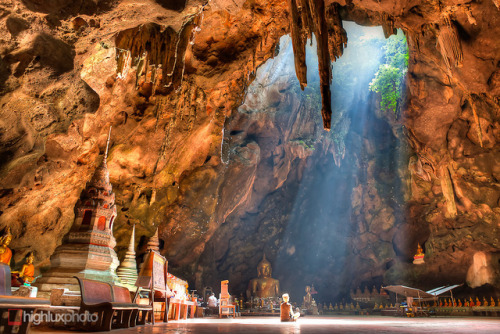
Does this not look like an entrance to an underground lair?

--the movie version has a prophecy of Alice being the savior of Wonderland. Rather a cliche for fantasy rpgs, but it happens often enough. 

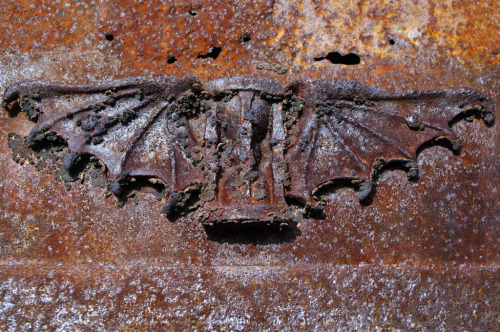
--ambushes from weird and ferocious creatures happen almost immediately. 

Jubjub Bird by David Elliot (from Carrol's Hunting of the Snark)


Bandersnatch 
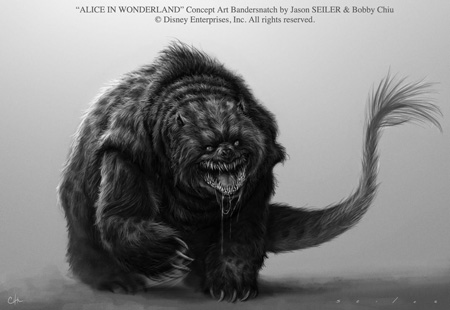

Either of those could be interesting monsters to fight. 

--there are magical potions aplenty, though in one case it's actually disguised as a cake.

--there are magical items (fans, swords, potions, hats, timepieces)

--weird magic (time stopping still during the Mad Tea Party for example)

--magical swords (The Vorpal Blade)

--nasty monsters to defeat at the end of the campaign (the Jabberwocky)

Jabberwocky vs The Vorpal Blade

I'm a big fan of the end fight sequence in the movie.


I think it's an interesting thought experiment to re-invent or re-tell stories in a new genre or look at them in a new way. I especially think it's interesting to change the story almost completely based on changing viewpoints, or mood. 

Friday, September 21, 2012

Underground Cities

If you've read this blog at all you know I'm a big fan of using real life settings and events as inspiration for gaming. I've often linked to cool "real life megadungeons", most of which were actually tunnels or mines and such. When I've linked to an underground city it's been underground because of extreme age. Today I have some underground cities that were purposely built to be underground.


Derinkyu was built in the 8th-7th centuries B.C. and could accommodate 20,000 to 30,000 people. It consisted of 13 levels, more than enough to keep you busy exploring. 


Side view 


Tunnels


The city above


Kaymakli is another underground city similar to Derinkuyu. It's probably older and is more spread out than Derinkuyu, which is built deeper. People in the area still use some of the rooms as stables, cellars, etc.


Map


Entrances dotting the hillside. 


Petra

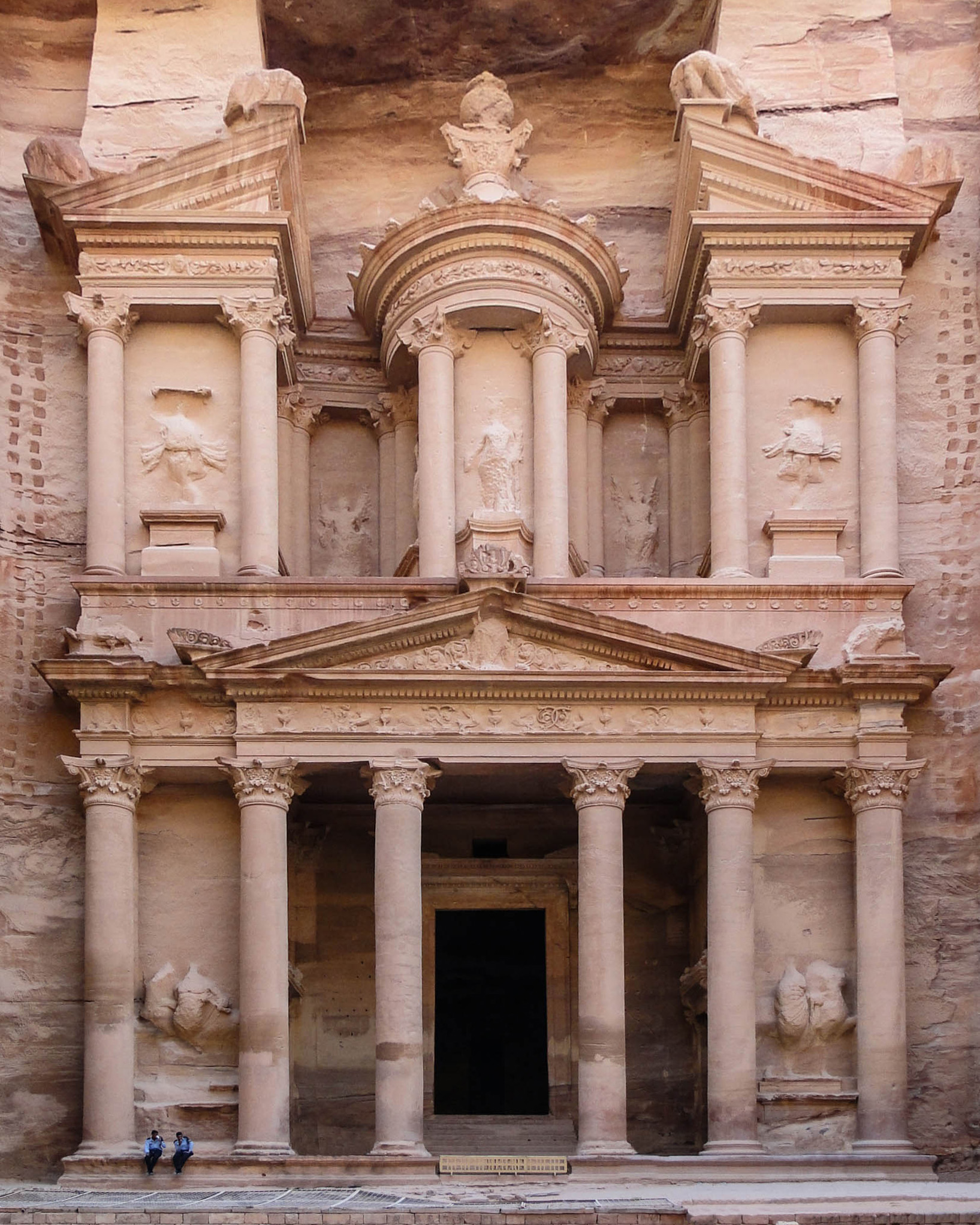
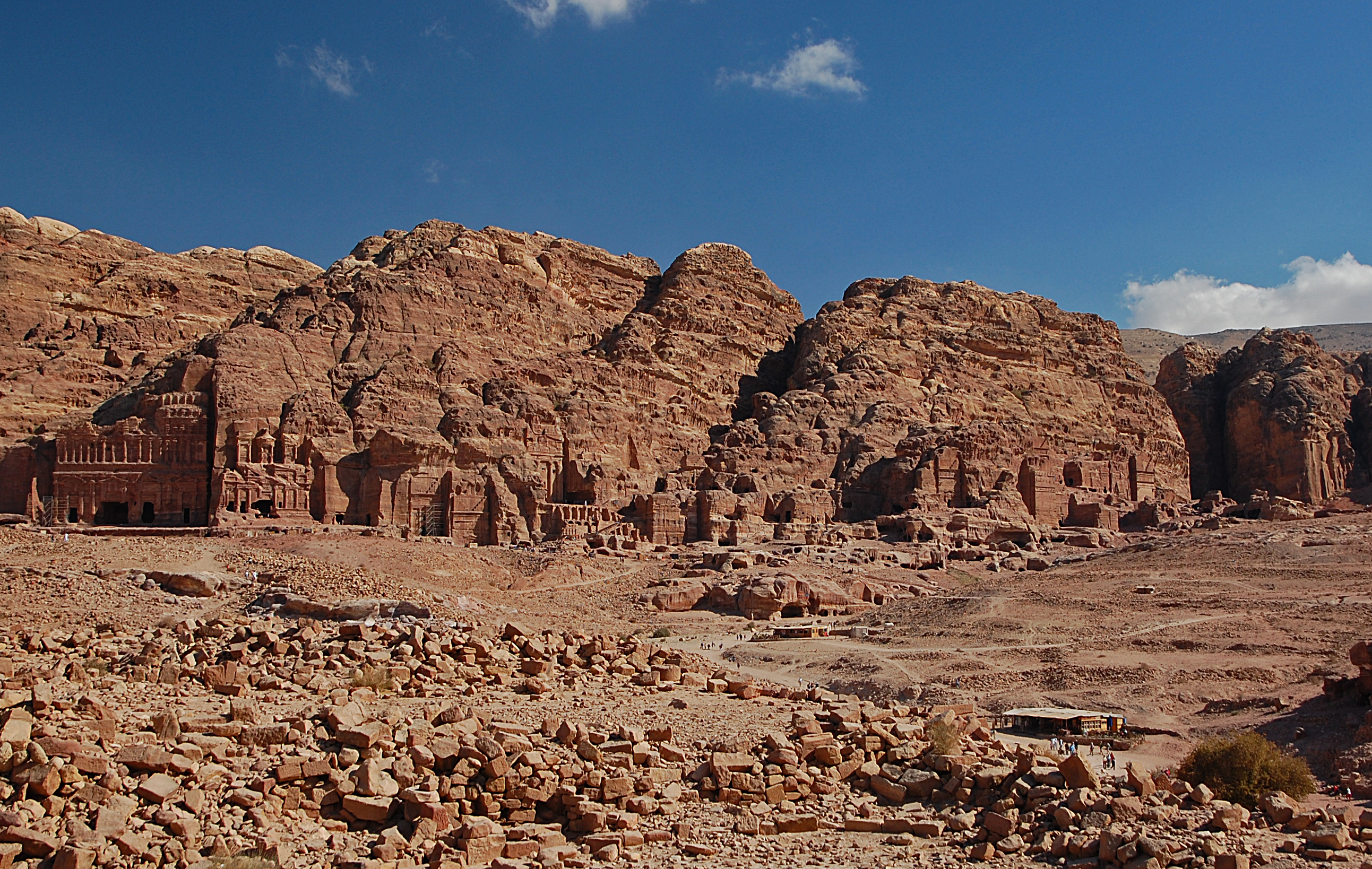
I couldn't put this post together without mentioning Petra. Established by the Nabataens around 300 B.C., the city grew rich on the spice trade by charging each caravan for safe conduct through their lands. 


Entrance to the city.


Map


View from a distance

Thursday, September 20, 2012

Ten Features for Your Dungeon

For your enjoyment ten things to spice up your dungeon. 


Just imagine if the mouth started speaking just as your party walked by.


No dungeon is complete without a statue


Or some cool architecture.


You also need some cool landscapes


How about a shrine to unknown gods?


You definitely need some flying things to swoop down and get tangled in hair.


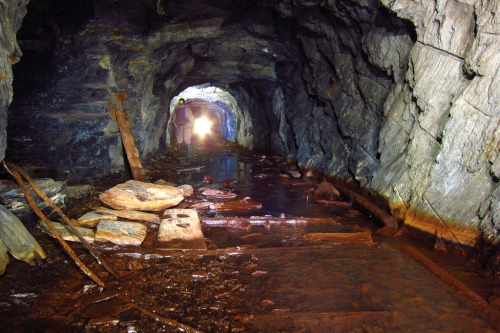
I love the idea of sloshing through a flooded cavern and having to deal with debris in the way.


Is it rock? Is there something inside waiting to be hatched? Whatever it is don't knock it down or break it open or you'll surely regret it. 


Lost tomes of knowledge.


A warrior's fate.